

Independent Bottling Trends in Hong Kong and Asia
A whisky cask price is only the first line of your budget. If you are bottling in Hong Kong, the number that decides whether the project works is the landed cost per bottle — cask, storage, bottling, freight and Hong Kong liquor duty combined. Most guides written for the UK market stop at the first of those five. This one covers all of them, along with the cask selection basics for bottling a cask of whisky for beginners.
Private bottling used to belong to a handful of houses such as Gordon & MacPhail and the Scotch Malt Whisky Society. It no longer does. In Hong Kong, bars, whisky clubs, corporate gifting teams and individual collectors now buy whole casks and release them under their own labels — for a bar’s tenth anniversary, a company’s client gift, or a collaboration with a local artist. Those buyers become independent bottlers the moment they take ownership of the cask.
For those new to the world of whisky cask bottling, bottling a cask of whisky for beginners can be a rewarding yet intricate process. Keep reading to learn more about buying whisky casks, including what factors affect the price, how to choose a cask, and what’s happening in the whisky consumer market.
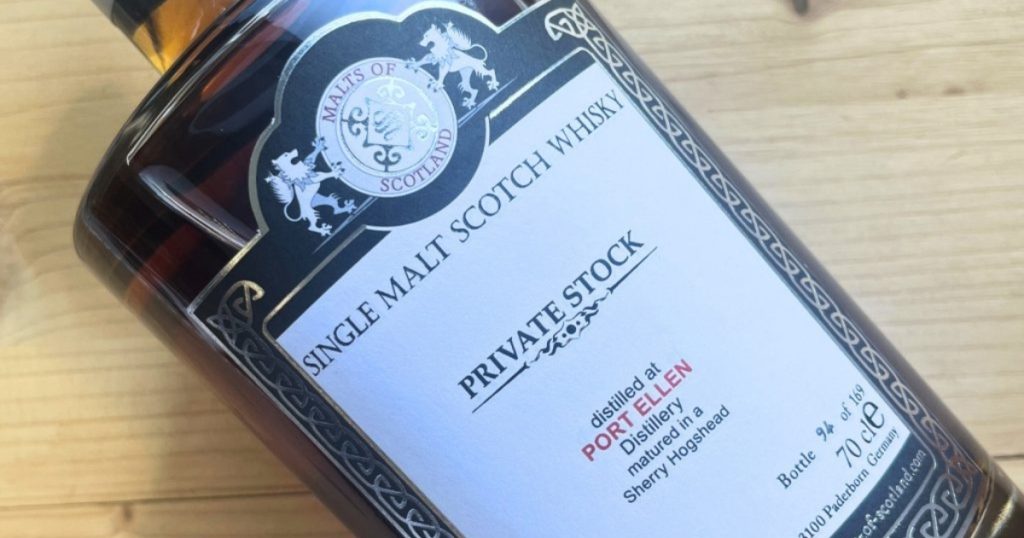
Understanding Single Cask Whisky & Independent Bottling
Single cask whisky is whisky drawn from one individual oak cask. The liquid in the cask can be a single malt, single grain whisky, or, in rare cases, a single cask blended whisky. Usually, independent bottlers will bottle it at cask strength—without adding any water, but this is not compulsory.
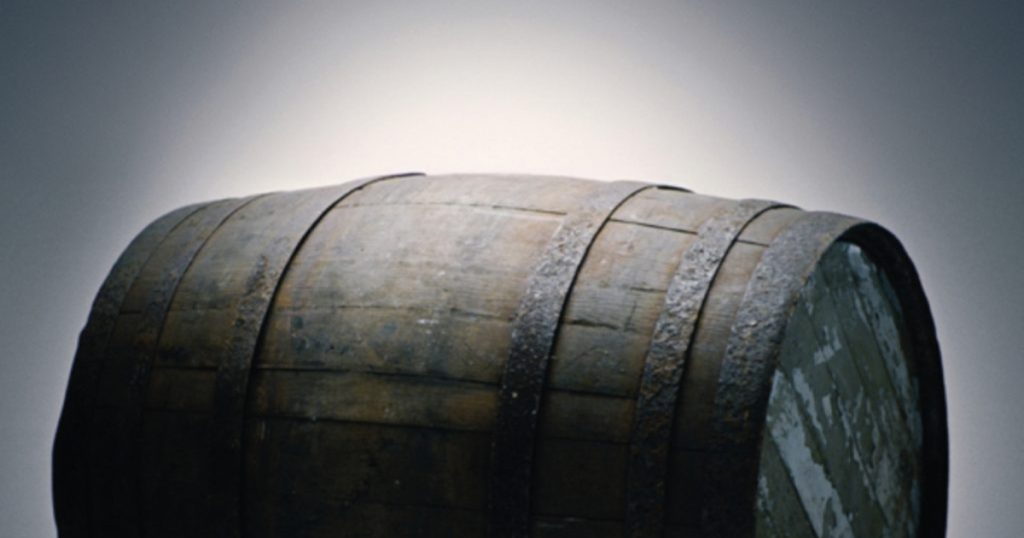
What is Independent Bottling?
Anyone can become an independent bottler—from individual whisky enthusiasts to companies to passionate whisky groups. This is distinct from an “Official Bottling” (OB), which is released by the distillery that produced the spirit. Independent bottlers, therefore, act as expert curators, offering a unique perspective on a distillery’s whisky. They have the unique opportunity to create distinct whisky offerings by selecting their own casks and personalising the entire bottling process.
Source Your Own Whisky Cask
Through sourcing casks directly from distilleries or third-party suppliers like Cask Trade, you can create your own whisky with your personal label.
Each bottle from a single cask has its own unique flavour profile, making it particularly appealing to collectors and connoisseurs.
Cask buyers, including independent bottlers have the flexibility to either bottle the whisky immediately or let it mature further in the bonded warehouse, enhancing its flavour profile and value over time.
Buying an entire cask offers several key advantages:
- You can control the bottling timing, allowing the whisky to mature longer and develop more complex flavours.
- You can fine-tune the whisky’s flavour profile through re-racking.
- You can design your own labels (with Scotch Whisky Association approval) and custom packaging, making it ideal for commemorative items or corporate gifts.
Independent bottlers have full control over the process, creating bespoke products that stand out in the market.
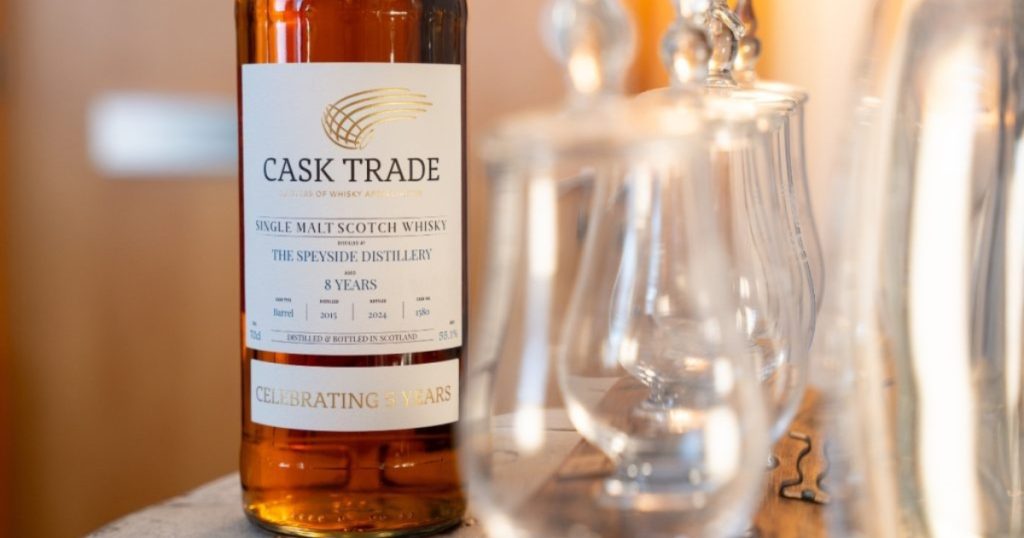
(The example below is our bottling project for our 5th anniversary celebration.)
Key Factors Affecting Whisky Cask Prices
1. Distillery Reputation
Casks from renowned distilleries with full naming rights would be more expensive.
Some examples include:
- Bowmore
- Caol Ila
- Laphroaig
- Macallan
- Springbank
2. Rarity
The price of whisky casks from closed distilleries or distilleries that rarely release casks is typically higher.
Examples of closed distilleries:
- Caperdonich
- Imperial
- Port Ellen
Examples of distilleries rarely releasing casks:
- Glendronach
- Ardbeg
3. Whisky’s Age
Older casks, particularly those aged 20, 25, or 30+ years, generally fetch higher prices in the market.
4. Whisky Type
- Single Malt Whisky: Made from malted barley at a single distillery
- Single Grain Whisky: Made from grains other than malted barley at a single distillery
- Blended Whisky: A mix of malt and grain whiskies from different distilleries
- Blended Malt Whisky: A mix of single malt whiskies from different distilleries
- Blended Grain Whisky: A mix of grain whiskies from different distilleries
- New-Make Spirits: Unaged or less than 3 years old whisky straight from distillation
5. Cask Type
Different cask types impart unique flavor profiles to whisky, each with its own maturation rate and volume.
| Cask Type | Volume |
| Sherry puncheon | 500-700L |
| Sherry Butt | 500L |
| Port Pipes | 350L |
| Hogshead | 230-250L |
| Mizunara | 225L |
| American Barrel | 200L |
| Quarter Cask | 125L |
| Octave | 45-50L |
6. Asian Market Demand
Asia is a softer market in 2026 than it was three years ago, which cuts both ways. Scotch exports to Asia Pacific fell 8.3% in value during 2025 while volumes held flat, with Taiwan down 22% to £233 million and Singapore down 11.6% to £274 million [1]. For a buyer, weaker headline demand means better entry prices. China’s whisky import tariff was also halved to 5% in January 2026 [1], which the trade expects to lift regional demand over the coming years.
Whisky Cask Price Range
Whisky cask prices vary widely, ranging from a few thousand to millions of pounds.
Estimated whisky cask price ranges:
- Entry-level casks: £2,000 – £10,000
- Mid-range casks: £15,000 – £50,000
- Premium casks: £100,000+
For those on a budget who aren’t in a hurry to bottle, new-make casks offer an affordable entry point. Starting at £2,000, these casks can mature to your desired age before bottling for sale or enjoyment.
Understanding Total Landed Costs in Hong Kong
This is where a Hong Kong bottling project differs from a British one, and it is the section most cask buyers discover too late. Three things need planning before you commit to a bottling date.
How Hong Kong Liquor Duty Is Calculated
Hong Kong charges duty on liquor above 30% alcoholic strength using a two-tier structure introduced in October 2024: the first HK$200 of value is dutiable at 100%, and the remainder at 10% [2]. Wine and liquor at or below 30% ABV are zero-rated, which will not help you, since Scotch must be bottled at 40% ABV or above.
Worked example:
If you bottle a hogshead into 300 bottles (700ml each) with an import value of HK$800 per bottle:
- Duty per bottle = HK$200 (100% of first HK$200) + HK$60 (10% of remaining HK$600) = HK$260 per bottle.
- Total duty for 300 bottles = HK$78,000.(Under the pre-October 2024 flat 100% rate, duty for this shipment would have been HK$240,000).
The Licence and Permit You Will Need
Importing, storing or removing dutiable liquor in Hong Kong requires a licence from the Customs and Excise Department and a permit covering the movement itself. Operating without them carries a maximum penalty of a HK$2 million fine and seven years’ imprisonment [3]. Most private bottlers appoint a licensed Hong Kong importer to handle this. Agree who is doing it before the bottles ship, not after they land.
Ship, or Leave It Under Bond
You do not have to bring everything in. Many of our clients land a portion here for their own event or use, and leave the balance in bond in Scotland for later sale, deferring both duty and freight on the part they have not yet decided about.
The Whisky Cask Bottling Process
1. Sampling and Selection
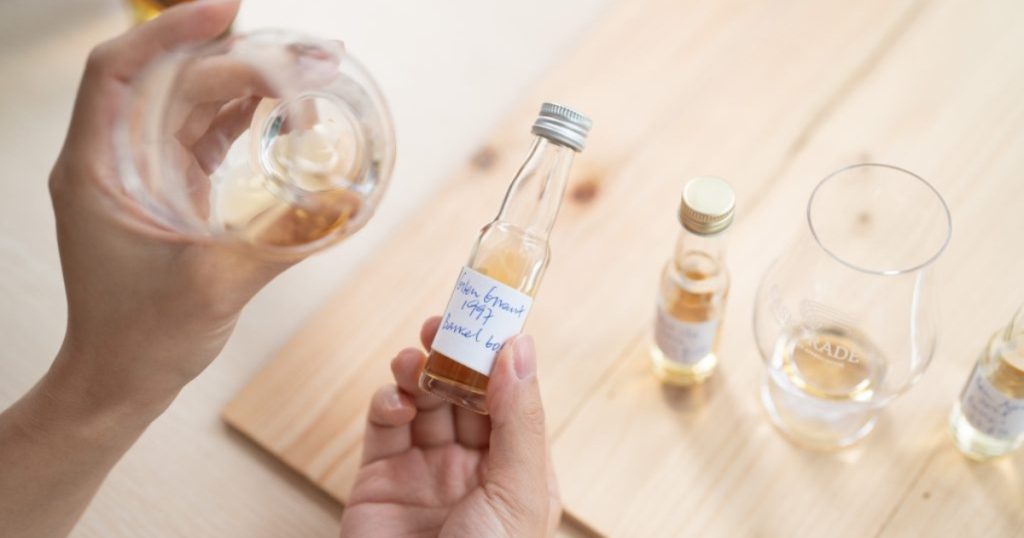
At Cask Trade, buyers can request whisky samples from available casks before purchasing one that meets their expectations. This step is essential for understanding the whisky cask price and ensuring that the chosen cask meets your desired flavor profile.
2. Purchase and Aging
After purchase, buyers can either bottle the whisky immediately or let it continue aging to reach their desired age and flavor profile. For independent bottlers, this gives you the option to create a unique product.
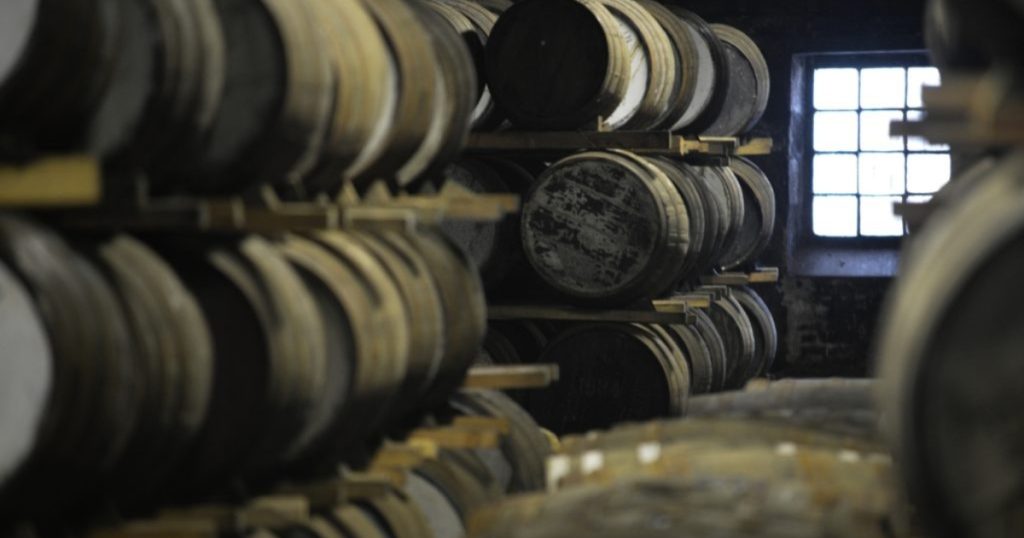
However, you should bottle older casks (25 years and above) sooner rather than later, as natural evaporation gradually reduces both alcohol strength and volume. As whisky ages, its alcohol content decreases, and Scottish law no longer recognises it as whisky if it falls below 40%.
Learn about Angle’s Share and whisky alcohol levels during ageing.
3. Re-Racking
You can fine-tune flavors through re-racking—transferring whisky to different cask types for further maturation.
4. Label Customization
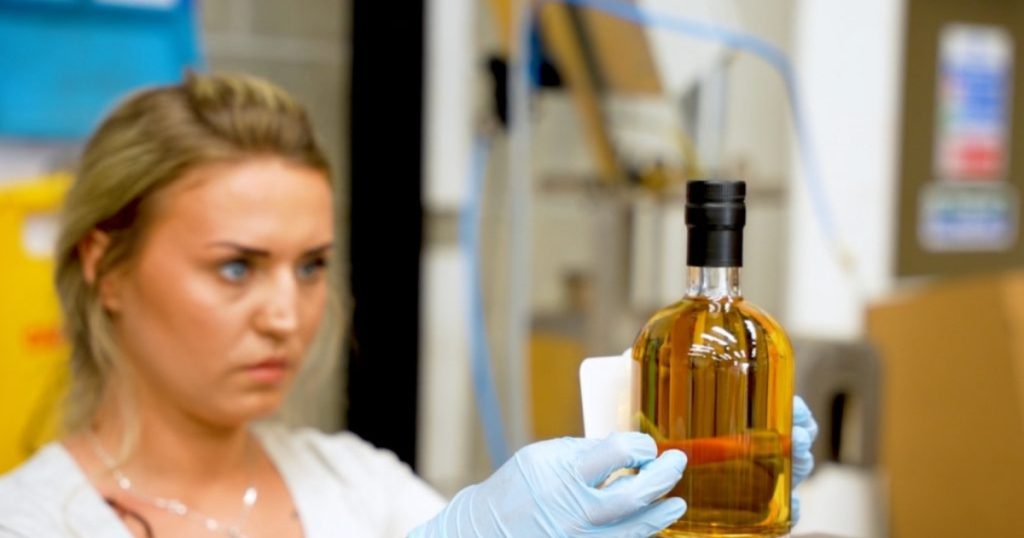
You can design your own labels. Labels must comply with Scotch Whisky Association standards, undergo approval, and be printed before bottling. This step is essential, especially for bottling a cask of whisky for beginners, as it gives you the chance to personalize the product for special occasions or unique branding.
5. Bottling Arrangement
Once your whisky reaches the desired age and flavor profile, you can arrange bottling through our services. For those bottling a cask of whisky for beginners, we’ll guide you through each step to ensure the process is straightforward and cost-effective.
Find out more about bottling procedures and options.

6. Shipping Logistics
After bottling, the whisky can be shipped by air or sea according to your preference. Please note that you are responsible for managing your own import taxes and regulatory requirements. Make sure to factor in these costs when considering the overall whisky cask price.
Learn more about Hong Kong’s liquor tax here.

Bottling a Cask of Whisky for Beginners
It may sound overwhelming, but it’s easier than you think when broken down into clear steps. Whether you’re curious about the whisky cask price, exploring options with independent bottlers, or planning your own special release, here’s a simple guide to get started.
Choosing Your First Cask
Start by sampling different casks to find one that suits your taste. Beginners may want to consider new-make spirits or smaller casks for a more budget-friendly option.
Personalizing Your Bottle
One of the most exciting parts of bottling a cask of whisky for beginners is creating your own label. Whether you want a design for a private celebration, corporate gifting, or a small branded release, custom labels add a personal touch and make each bottle truly yours.
Costs to Consider
Understand the full scope of costs including whisky cask price, maturation fees, re-racking, and bottling fees. Planning your budget carefully will ensure a smooth bottling journey.
Key Points to Consider Before Buying Whisky Casks
- Ensure the reliability and transparency of the purchase channel
- Verify if the supplier holds relevant licenses, such as WOWGR
- Understand information about single cask sampling, regauging, storage, bottling and export shipping
- Confirm if the supplier has a complete cask inventory management system
Consumer Market Trends and Outlook
Key trends in the whisky cask market include:
- Community Culture: More private groups, clubs, and bars are purchasing casks for bottling to create unique brand identities and commemorative releases.
- Enhanced Consumer Education: The rise of whisky-tasting events has cultivated more knowledgeable consumers, leading to greater appreciation for single cask whiskies. This trend, coupled with new demographics entering the premium spirits market, suggests continued growth.
Want to learn more?
Our teams in Hong Kong and London are here to help you. Get the latest stocklist and whisky cask prices, tailored to both experienced independent bottlers and those just starting out.
Talk to our experienced team to explore your whisky bottling options, including bottling a cask of whisky for beginners. Whether you’re an independent bottler or a whisky enthusiast, we’ll guide you through the process to create your perfect whisky.
FAQ
1. How much does a whisky cask cost in 2026?
Whisky cask prices in 2026 generally range from £2,000 for entry-level new-make spirits up to £100,000+ for premium, well-aged casks from iconic distilleries. Mid-range mature casks typically sit between £15,000 and £50,000 depending on distillery brand equity, age, cask type, and liquid volume.
2. How can beginners start bottling a cask of whisky in Hong Kong?
Beginners can start bottling a cask of whisky by selecting a cask through an accredited cask merchant like Cask Trade, requesting samples, and defining their target maturation profile. Once ready, the merchant handles UK bottling, SWA label compliance, and freight. In Hong Kong, importers must account for local liquor duty (100% on the first HK$200 of value, 10% on the remainder) and secure import permits through a licensed partner.
3. What is the main difference between official bottlings and independent bottlers?
An official bottling (OB) is produced and released directly by the distillery that distilled the spirit, maintaining a standardized brand style. Independent bottlers (IBs) buy individual casks from various distilleries and release them under their own private label, offering unique cask-strength expressions, custom finishes, or single-cask variations not found in standard core ranges.
Reference:
1. Scotch Whisky Association – 2025 export figures
2. Hong Kong Customs and Excise Department – Types and Duty Rates


