What Does It Truly Mean to Own a Whisky Cask?
The world of whisky cask trading used to be a secretive one. It only happened between distilleries, bonded warehouses, and independent bottlers. It relied on who you know, so normal consumers could not get in. Today, however, with more alternative investments and private collections, “owning a cask” has become a new trend in the market.
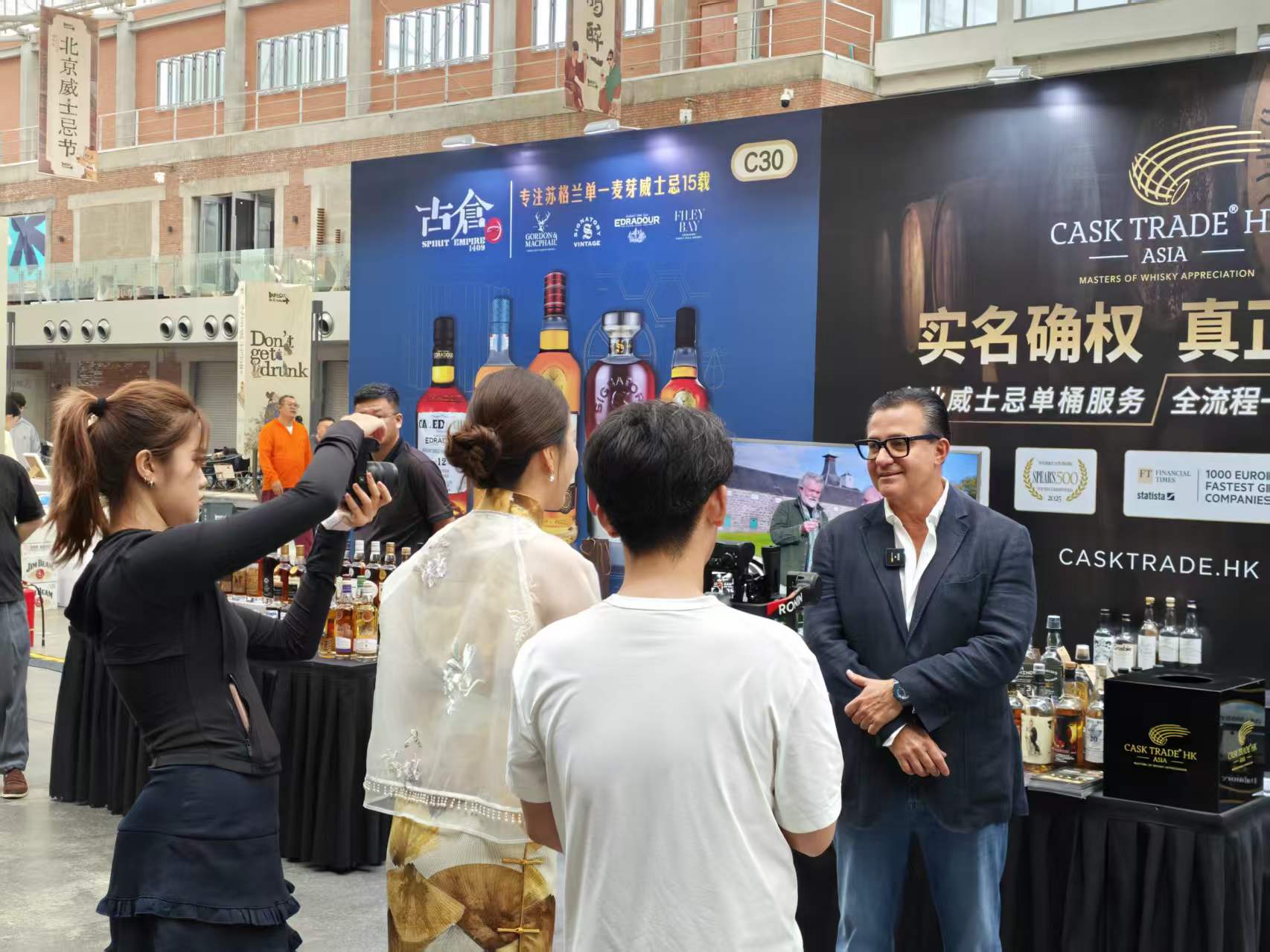
Cask Trade is a great example. As an industry-leading cask trading platform, Cask Trade has operated for 8 years, serving over 100 independent bottlers and 2,000+ private clients. The company was named one of the UK’s Top 100 companies by The Sunday Times in 2023, and ranked in the Financial Times FT1000 in 2024.
From 5,000 Bottles to a Single Cask: The Evolution of a Whisky “Geek”
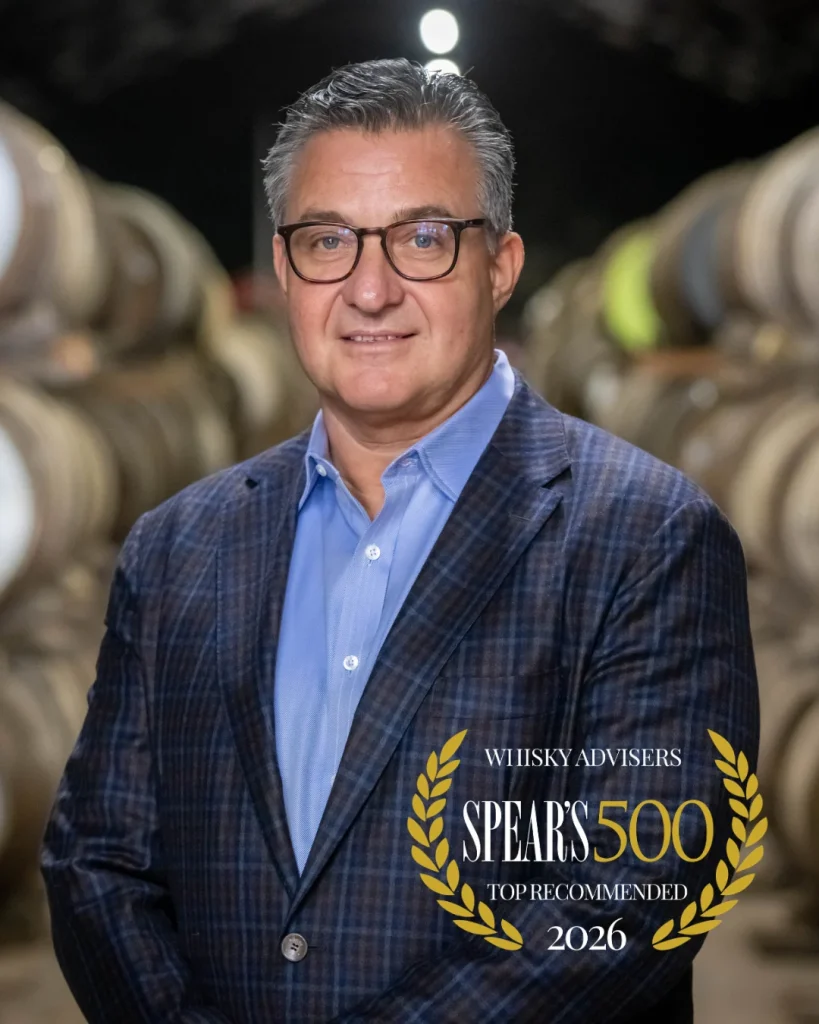
Simon does not like titles like “connoisseur” or “expert.” He prefers to call himself a “whisky geek”—because he truly enjoys drinking it, not just studying it.
His father brought him into the world of whisky. They started with blends, then moved to single malts, tasting a new distillery every Saturday. Now close to sixty, Simon has never stopped this habit. Over 40 years, he collected more than 5,000 bottles at home. He jokes that his wife could not stand the mess, so he looked for a “simpler way”: buying whole casks.
“My first cask was a 1978 Glenlivet.”
In those days, you had to “know the right people” to buy a cask directly from a distillery. Simon bought this rare cask through a Scottish friend. This cask taught him a big lesson: whisky maturation does not last forever.
He held onto it for too long because he loved it so much. He finally had to sell it when the ABV dropped to 42.7%. “Everyone told me it would be ruined if I didn’t sell it now.” Eventually, the cask was sold to an American bottler and turned into over 100 bottles for shops in New York and California. From then on, Simon understood that a cask’s value is not just about the name, but whether the liquid still tastes good.
From firsthand experience of pitfalls to establishing rules, the foundation of trust in barrel trading.
Before making this a business, Simon already owned about 150 casks, including wine casks, Madeira drums, and spirits from small distilleries. But when he sat down to check his assets, it was a nightmare.
“The biggest problem was that ownership and warehouse locations were not clear at all.”
Back then, traps and missing information were very common. Simon experienced almost every trap: sellers who did not actually own the casks; warehouses that could not be found; promised re-racking that never happened; and even “double-selling.” He bought a Springbank cask, but it was also sold to someone else because his name was never on the warehouse documents.
These stories made him realize that the biggest problem is that many buyers do not know what they actually bought. When he started Cask Trade, the business plan took only two days to write because he knew exactly “what NOT to do.” He made a strict rule: never be a middleman broker; only sell casks that the company fully owns, and pass the clear legal title to clients.
The Romance vs. The Reality of Cask Ownership
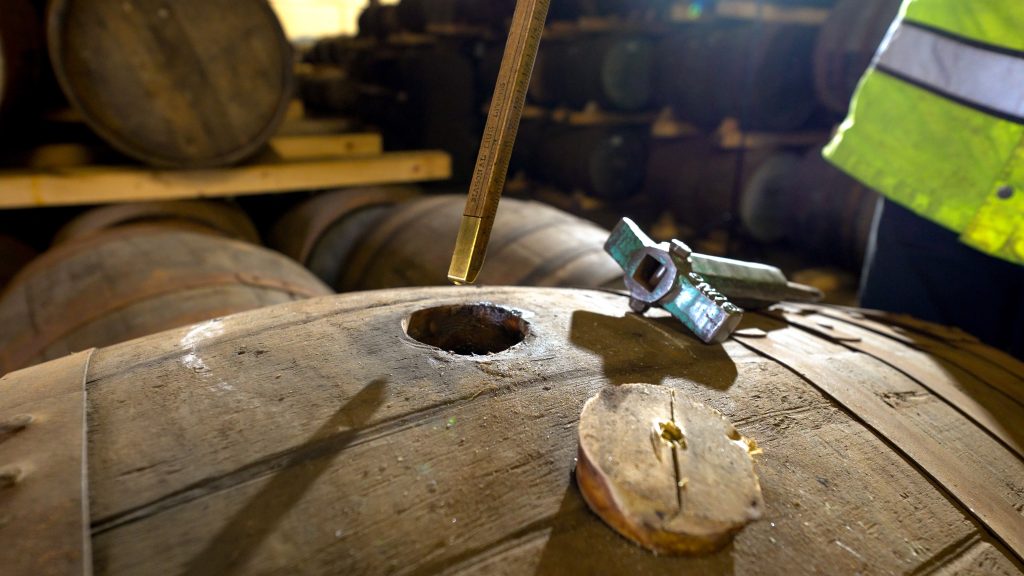
Cask trading is complex because you are buying a cask inside a remote bonded warehouse, not a bottle on a shelf.
Once you’ve signed the contract and made payment, do you truly “own” the barrel? Legally speaking, yes. The invoice and sales documents are the legal proof that the customer owns the barrel. However, from a practical operational perspective, the matter doesn’t end there. The barrel isn’t like a bottle of wine sitting at home; it’s an asset stored in a bonded warehouse. For the warehouse system to synchronously record changes in ownership of the barrel, a Delivery Order (DO) is usually involved.
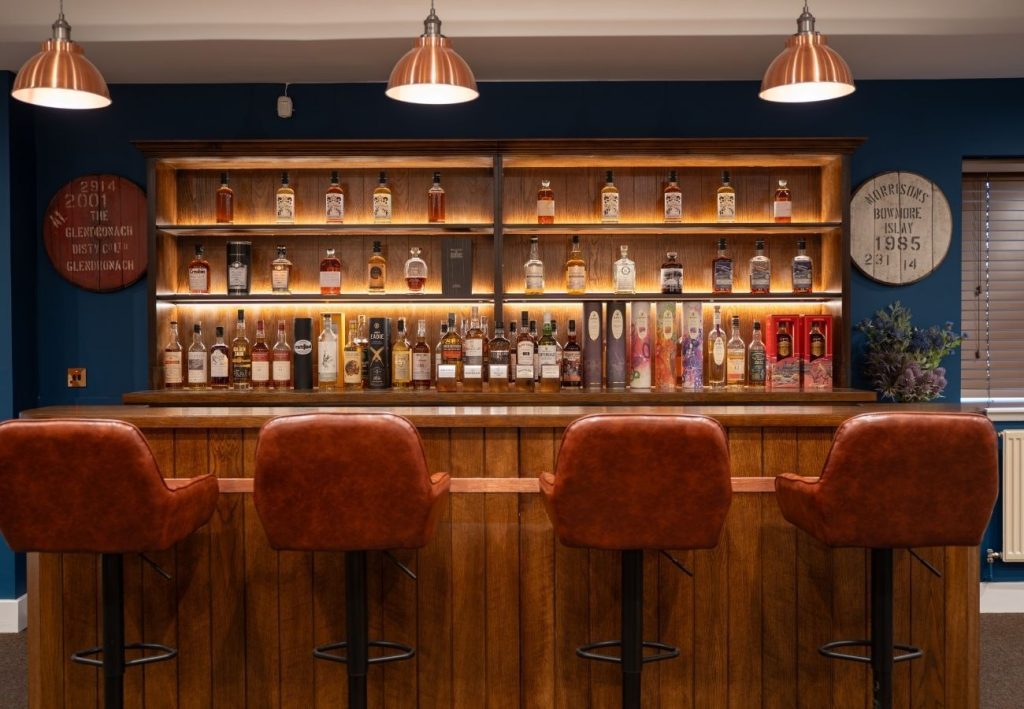
The DO itself isn’t a “proof of ownership” document; it’s more like a written record of the bonded warehouse’s management of the barrel’s movement. The problem is that private clients who want to directly obtain a DO often need to open an account with the corresponding bonded warehouse; however, in reality, many warehouses are unwilling to easily open accounts for private clients due to administrative costs and legal responsibilities.
This is precisely where the gap between expectation and reality often arises in the barrel trading market: legally you’ve bought the barrel, but many buyers may never actually see it in their lifetime. This is the root cause of the long-standing information asymmetry in the barrel market: buyers only see an enticing distillery name, a vintage, and a seemingly attractive profit expectation.
Cask Trade’s value lies here. For clients who wish to own the barrels in their own name, Cask Trade can assist them in opening an account at a bonded warehouse and completing the relevant registration. If clients do not wish to open an account themselves, they can choose to store the barrels in a bonded warehouse account under Cask Trade’s name, with Cask Trade updating the ownership information synchronously. Just like storing valuable bottled wine in a professional warehouse, the storage account can be managed by a professional organization, but the ownership of the barrels still belongs to the client.
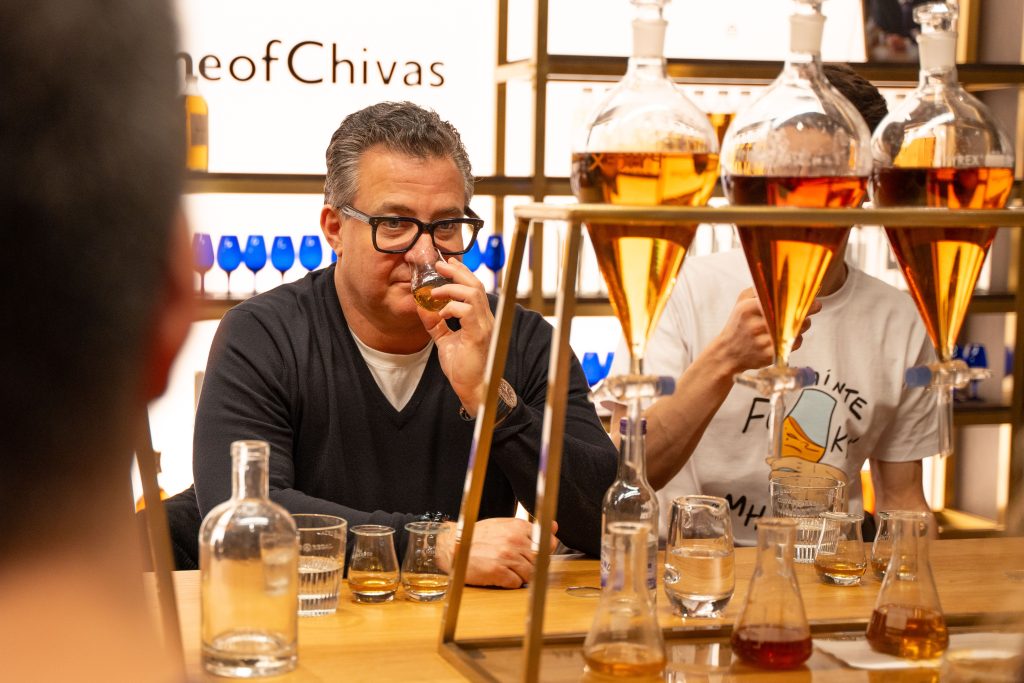
In other words, Cask Trade solves more than just the problem of “buying a bucket”; it addresses how the purchase is verified, managed, and continued to be used, allowing customers to pick up samples for inspection at any time. Simon insists, “As a consumer, I would want this experience, so I provide this experience to my customers.”

Cold Reflections on the Investment Craze: Whisky is Not Gold
“Investment-grade whisky” is an overused term today. Around 2017, there were only about five cask trading companies; now there are over sixty plus. Simon can see the bubble.
“80% to 90% of my clients genuinely love whisky. Only 10% to 20% are pure investors who do not even care about the smell.”

When big funds want to invest $25 million into casks, Simon usually tells them no. The market does not have enough liquidity to support that much money—whisky is not gold. For enthusiasts who want to start their own Independent Bottling (IB) brands, he gives a real warning: without a long-term plan, high operational costs today mean amateur IBs can easily lose money or close down.
Before buying a cask, he suggests answering three questions honestly: What is your budget? What is your goal (celebration, investment, or bottling to drink today)? And how long can you wait? The goal is the most important question.
Cask Trade’s answer is practical: we only sell casks we completely own. We have a sample library of about 6,500 samples so clients can taste before they buy. We offer flexible options like re-racking and cask finishing. We also built our own auction platform with 0% seller commission to give clients a real way to exit.
The Asian Market: A New Generation Reshaping Cask Culture
In the past, cask trading was only for European bottlers and industry insiders. Today, Asian buyers are changing the market.
New private buyers and IB demands are growing fast in China, South Korea, Southeast Asia, India, and the Middle East. They don’t just want to buy a standard bottle; they want to choose the flavor, design the label, pick the bottle shape, and build a story.
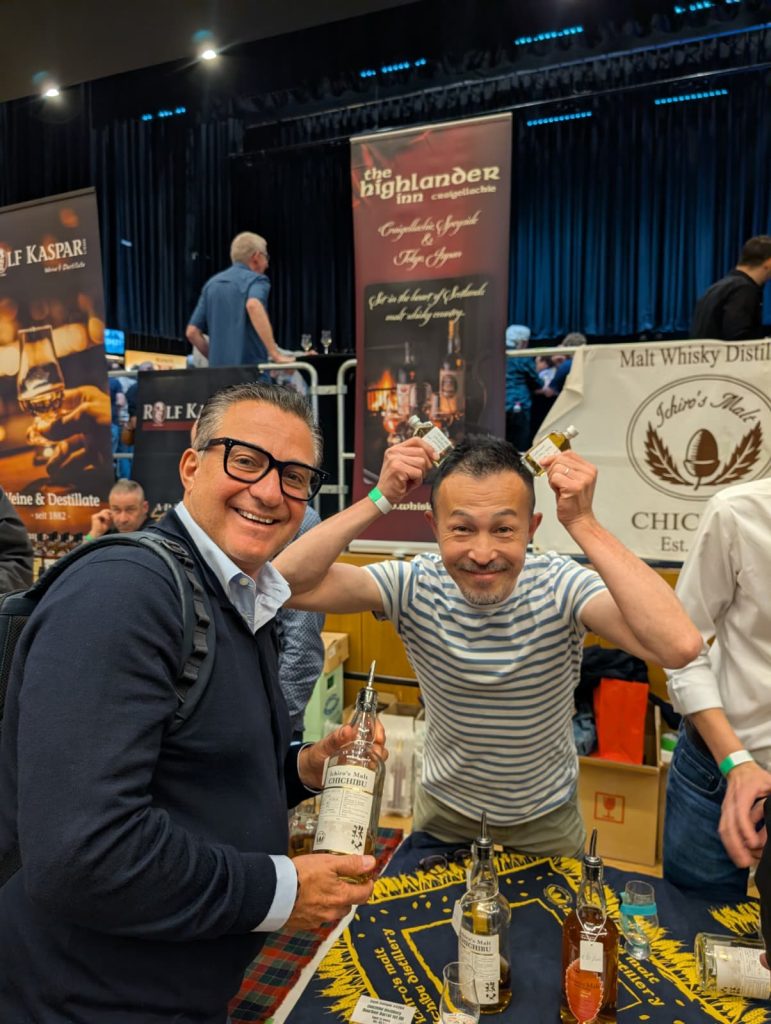
The Asian market also brings growth in independent bottling culture. More bottlers want to try world whiskies outside Scotland, like England, India, Israel, and maybe Chinese distilleries in the future. When a European bottler needs to manage casks and compliance between Europe and Asia, Cask Trade is the perfect platform to help.
But Simon also has a real concern—not about cask prices, but whether young people still drink whisky. In Europe and the US, young consumers are moving toward tequila, cocktails, and RTD drinks. With new distilleries opening and production capacity growing too fast, the market will not just go up forever.
The cask market needs education, real experience, and true passion to last long.
A Cask Belongs in a Glass
During the interview, Simon repeated one thing: he enjoys tracking a cask’s journey from the warehouse to the bottle, and sharing the liquid with friends.
“Whisky is a journey.”
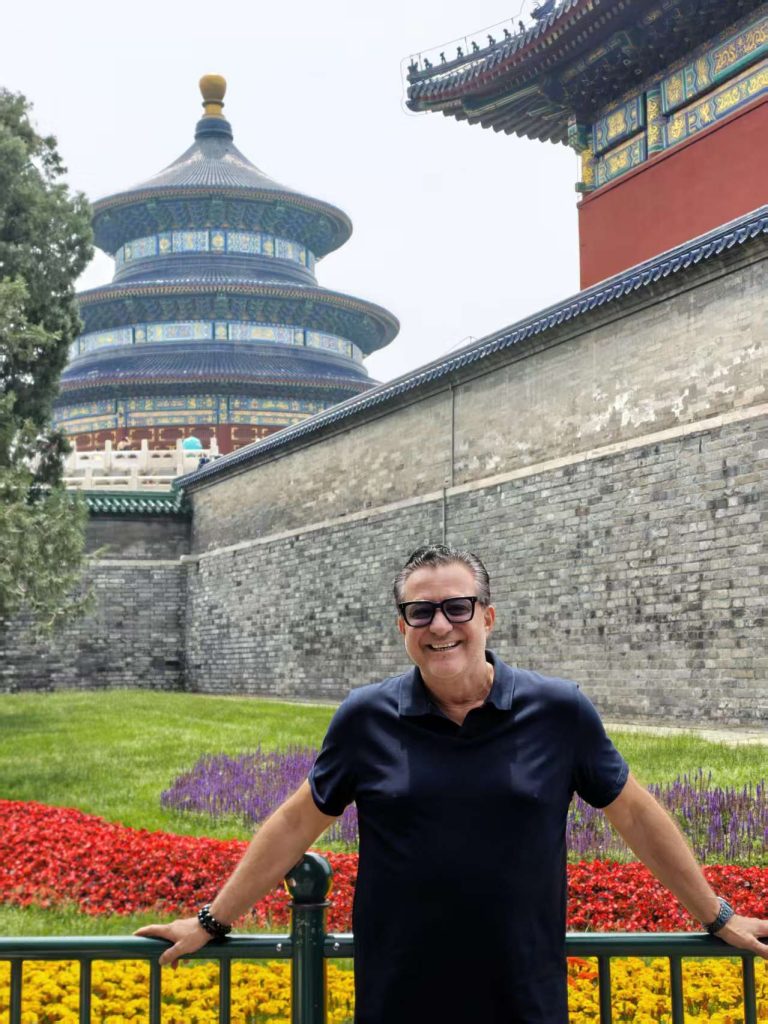
The details on an IB label—distillery, cask year, cask type, bottling date—are like the nameplate inside an Aston Martin. Knowing who made it and when it was made is the best part of drinking whisky.
Markets will change and prices will go up and down. But Simon always believes one thing: the ultimate goal of a great cask of whisky is for someone to open it and drink it.
Owning the cask is just the start. Opening it is where the meaning lies.