

The Definitive Cask Finishing Guide
In the world of whisky investment, knowing how to unlock the full potential of your cask is key. If you’ve ever wondered about the purpose of cask finishing, it’s best to think of it as a strategic value-add—much like renovating a premium property before putting it back on the market. By mastering the nuances of the cask finishing process, you can transform a standard maturing spirit into something even more desirable and rare. This article dives into the mechanics of secondary maturation and explains how precision techniques enhance both flavor profiles and exit potential.
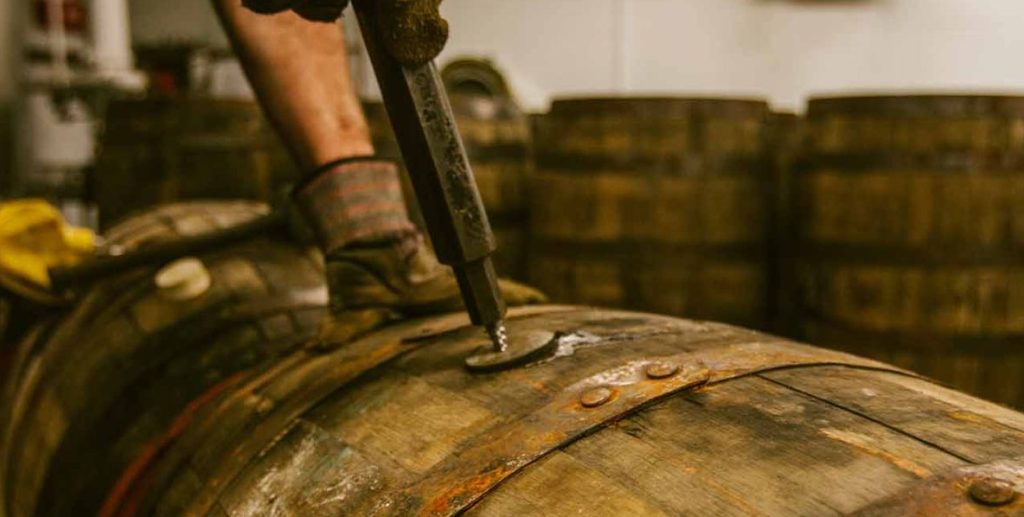
What is the Purpose of Cask Finishing?
Cask finishing, also known as re-racking, enriches the flavor and makes the whiskey more complex, which often helps it fetch a premium at auction. Here are the two main reasons for finishing:
1. Building layers of flavor and complexity
The primary goal of secondary maturation is to add extra layers of flavor, complexity, and depth that the original barrel alone may not achieve. When a whisky is transferred from its primary aging barrel—typically a standard ex-bourbon cask—into a freshly selected secondary cask, it undergoes a profound transformation. This cask finishing technique introduces new aromas, balances out harsh tannins, and enriches the spirit’s overall profile.
2. Enhancing market value
From a cask owners standpoint, the purpose of cask finishing goes beyond just taste; it’s a calculated upgrade. By strategically moving the liquid into a high-quality vessel, you may significantly boost its rarity and auction appeal. It’s a way to help your asset stand out in a highly competitive market.
The Cask Finishing Process: Science Meets Art
The cask finishing process is a fascinating balance of chemistry and craftsmanship. A key concept to grasp is the difference between “Active vs. Passive Maturation.” While passive maturation simply stores the liquid with minimal wood interaction, active maturation involves a much more dynamic exchange between the spirit and the oak.
This is why selecting the right vessel is so important. For instance, moving a whisky into a First-Fill Pedro Ximénez (PX) Sherry hogshead adds far more value than using a “tired” refill butt. A First-Fill PX cask is highly active; the wood is freshly saturated with rich sherry and robust oak lactones. During the cask finishing process, this active wood quickly imparts deep mahogany colors, intense dark fruit notes, and a luxurious sweetness. In contrast, a refill cask has already lost its most potent flavor compounds, leading to a much slower impact that does little to boost the cask’s premium.
Popular Cask Types in Modern Finishing
Choosing the right wood can dictate the final market placement of your whisky. Every cask brings its own unique fingerprint to the spirit. This guide to cask finishing will help you understand the different types and their unique flavors:
1. Oloroso & PX Sherry Casks
These are the gold standard for many. A First-Fill sherry cask delivers those rich, nutty, and sweet dark fruit notes like figs and raisins — profiles that are incredibly popular in Asian markets.
2. Tawny Port Casks
These casks infuse the spirit with elegant red berry flavors, dark chocolate, and subtle, warming spices. Port finishes are increasingly popular among connoisseurs looking for a balance of sweetness and dry oak.
3. Rum & Madeira Casks
These barrels add vibrant tropical fruits, vanilla, and sweet syrup notes, creating a complex, exotic, and highly marketable profile that stands out in a tasting lineup.
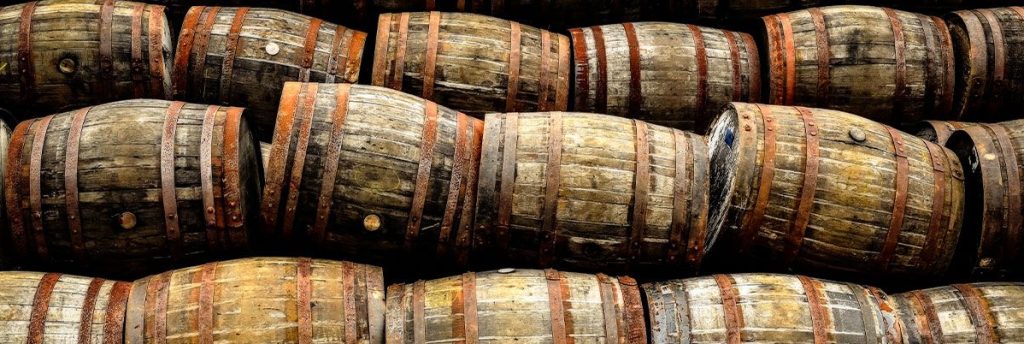
Strategic Finishing: An Investor’s Perspective
Think of finishing as a strategic upgrade that allows you to capitalize on the “Premiumization Gap.” You might start with a dependable “workhorse” distillery spirit, such as a Linkwood or a peaty Caol Ila. While excellent, standard releases from these distilleries are relatively common. The purpose of premium cask finishing is to move that liquid into a rare, high-quality cask for an extra 12 to 24 months, elevating it into a more sought after and premium cask bracket.
Maximize the value of the cask for festive season demand
The strategic cask finishing process also allows you to time your bottlings for the best possible returns. A well-planned finishing period means you can align your release with major festive seasons. According to the Economic Times, the premium spirits category often sees an upswing of around 20% during the October-December period. Similarly, during the Lunar New Year, there is typically a 15-20% spike in demand in Asia. Collectors are actively looking for unique, heavily sherried expressions for these celebrations, making the purpose of cask finishing a smart move for your value optimization.
Why Consult the Experts at Cask Trade?
Grasping the true purpose of cask finishing is the first step to maximizing your portfolio. The next step is having a transparent platform like Cask Trade to help you execute that strategy. We offer direct access to an exclusive inventory of world-class wood, so you can upgrade your assets with total confidence. We’ll guide you through every step of the cask finishing process to ensure your whisky reaches its true premium potential.

Is your cask ready for its next chapter?
We hope this cask finishing guide has shown how secondary maturation can be a powerful tool for growth. Contact Cask Trade Hong Kong today to learn how our finishing services can enhance the character and value of your holdings.
[Explore Our Cask Services – CaskTrade.hk ]


