

Decoding the Colour of Whisky: Whisky Natural Colour and the Essential Whisky Colour Chart
From the pale gold of a youthful Speyside malt to the dark mahogany of a sherried Scotch, the visual allure of whisky is the first step in the tasting journey. While the nose and palate often take centre stage, the colour of whisky tells a complex, silent story about its creation, maturation, and provenance. For investors and connoisseurs alike, understanding these visual cues is essential. Whether you are examining the deep amber colour of bourbon or the varied hues of single malt, learning to read these visual signals often aided by a whisky colour chart, enhances the appreciation of every dram and underscores the value of whisky natural colour.
Why Whisky Colour Matters?
For the casual drinker, the golden hue of a dram is primarily aesthetic. However, for serious collectors and cask investors, the colour of whisky serves as a vital diagnostic tool. It acts as a visual receipt of the maturation process, offering immediate clues regarding the spirit’s age, the specific cask type used, and the production methods employed.
A rich, vibrant hue can indicate a highly active cask or a long maturation period, potentially signaling a higher value liquid. For example, the deep mahogany colour of scotch often suggests a first-fill sherry butt, while a pale straw hue typically points to a refill ex-bourbon barrel. To accurately interpret these visual signals, industry professionals and enthusiasts alike rely on visual benchmarks, such as the whisky colour chart. This essential tool enables the precise comparison of whisky natural colour across different bottlings, moving beyond vague descriptors to help predict the flavour profile and intensity before the cork is even popped.
What Determines the Colour of Whisky?
The new make spirit that flows from the still is as clear as water. So, what determines the colour of whisky?
Oak Treatment: Toasting and Charring
Most casks undergo toasting or charring. This heat treatment caramelises natural wood sugars and opens up deeper layers within the staves. A heavier char allows the whisky to extract colour more quickly, leading to richer hues at a younger age.
The Influence of Cask Type
Bourbon, for example, must legally mature in brand-new charred oak barrels, resulting in the consistently deep amber colour of bourbon. Scotch whisky, however, is matured mostly in pre-used casks, including ex-bourbon, ex-sherry, and port barrels. This leads to a much broader spectrum of colour.
A first-fill sherry cask may produce a mahogany tone, while a refill hogshead can keep a whisky light gold for decades.
Natural Development vs. Human Intervention
While a true whisky natural colour is developed solely through time and wood interaction, other factors can alter the liquid’s appearance. Chill-filtration, a process used to prevent the whisky from going cloudy at low temperatures, can strip away fatty acids and esters, subtly lightening the spirit. More significantly, the addition of E150a (spirit caramel) can artificially darken a whisky. This practice, while permitted in Scotch to ensure batch consistency, is avoided by producers of premium, authentic malts who prefer their liquid to tell an honest visual story.

Whisky Natural Colour vs. Additives: The Transparency Debate
For enthusiasts and collectors, transparency is increasingly important. When a whisky bottle states “Natural Colour,” it signals that the shade you see reflects only its maturation process—not artificial manipulation.
The use of E150a is widespread in large-scale blends to ensure visual consistency between batches. While not harmful and nearly flavourless, it has created ongoing debate within the whisky community. Darker whisky does not automatically mean richer or older whisky, and consumers are becoming more sceptical of deep colours without supporting flavour.
This shift in consumer awareness is driving demand for whisky natural colour, especially for limited releases and investment-grade bottlings.
The Whisky Colour Chart as a Tasting Tool
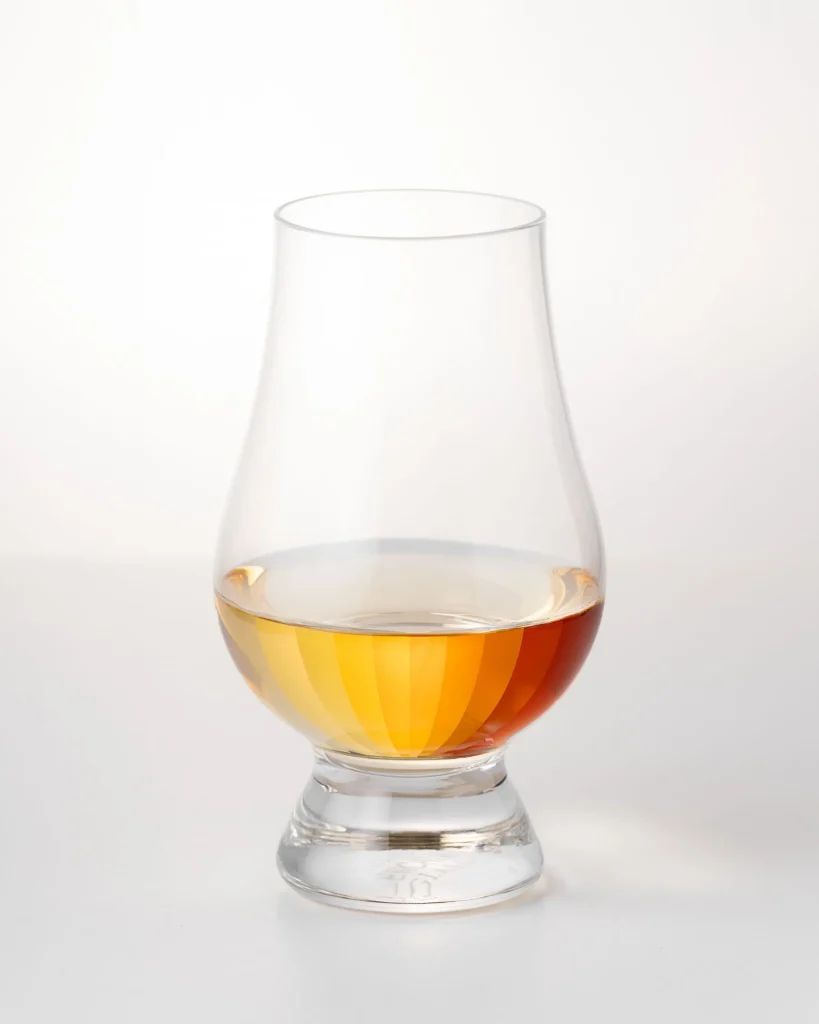
To standardise the description of these hues, the industry and enthusiasts alike utilise a whisky colour chart. This visual scale helps drinkers classify the precise shade of a spirit, moving beyond simple terms like “light” or “dark” to a detailed spectrum ranging from “Pale Straw” and “White Wine” all the way to “Deep Copper” and “Dark Mahogany.”
Decoding the Spectrum: What Colour Tells You
Using a whisky colour chart allows for better tasting expectations by correlating visual depth with likely flavour profiles:
- Pale Straw / Liquid Gold: These lighter shades often indicate maturation in ex-bourbon barrels or refill casks. Expect a nose of vanilla, citrus zest, orchard fruits, and floral notes.
- Amber / Burnished: A middle ground often resulting from a balance of cask types or medium-term aging. These typically offer notes of toffee, caramel, and light dried fruits.
- Deep Copper / Mahogany: These rich, dark hues are usually the signature of European oak or heavy sherry seasoning. Expect a palate of Christmas cake spices, dark chocolate, dried figs, and substantial wood tannins.
A Note of Caution: Colour vs. Quality
While the colour of whisky provides valuable clues, it is not a definitive measure of quality or flavour intensity. A common misconception is that “darker is better” or “older.” A young spirit in a highly active, small “quarter cask” can darken rapidly, mimicking age without the complexity that comes with it. Conversely, an exceptional 30-year-old Scotch from a refill hogshead might remain deceptively pale, yet possess an explosion of sophisticated flavour. Therefore, the colour chart should be used as a guide to provenance and maturation style, rather than a final verdict on the liquid’s worth.

The Visual Verdict: The True Value of Whisky Natural Colour
The colour of whisky reflects an interplay between spirit, wood, and time. Whether assessing a deep amber bourbon or the spectrum of Scotch colours, appreciating these visual cues enriches the drinking experience. Tools like a whisky colour chart help collectors and investors make informed decisions, while whiskies labelled with natural colour offer reassurance of authenticity.
If you’re exploring opportunities to invest in high-quality casks or want guidance on selecting natural-colour whiskies, the Cask Trade team is ready to help.


